
Introduction
Small and medium-sized enterprises are central to the Blue Economy. Many businesses connected to coastal tourism, maritime services, fisheries, aquaculture, ports, marine technologies and local supply chains are SMEs. They support employment, regional development and community life in coastal areas.
At the same time, these businesses are increasingly affected by sustainability expectations. Customers, partners, public authorities and investors are paying closer attention to environmental responsibility, social impact and good governance. For SMEs, ESG integration can seem challenging at first, but it can begin with simple and realistic steps.
Starting with Relevant ESG Priorities
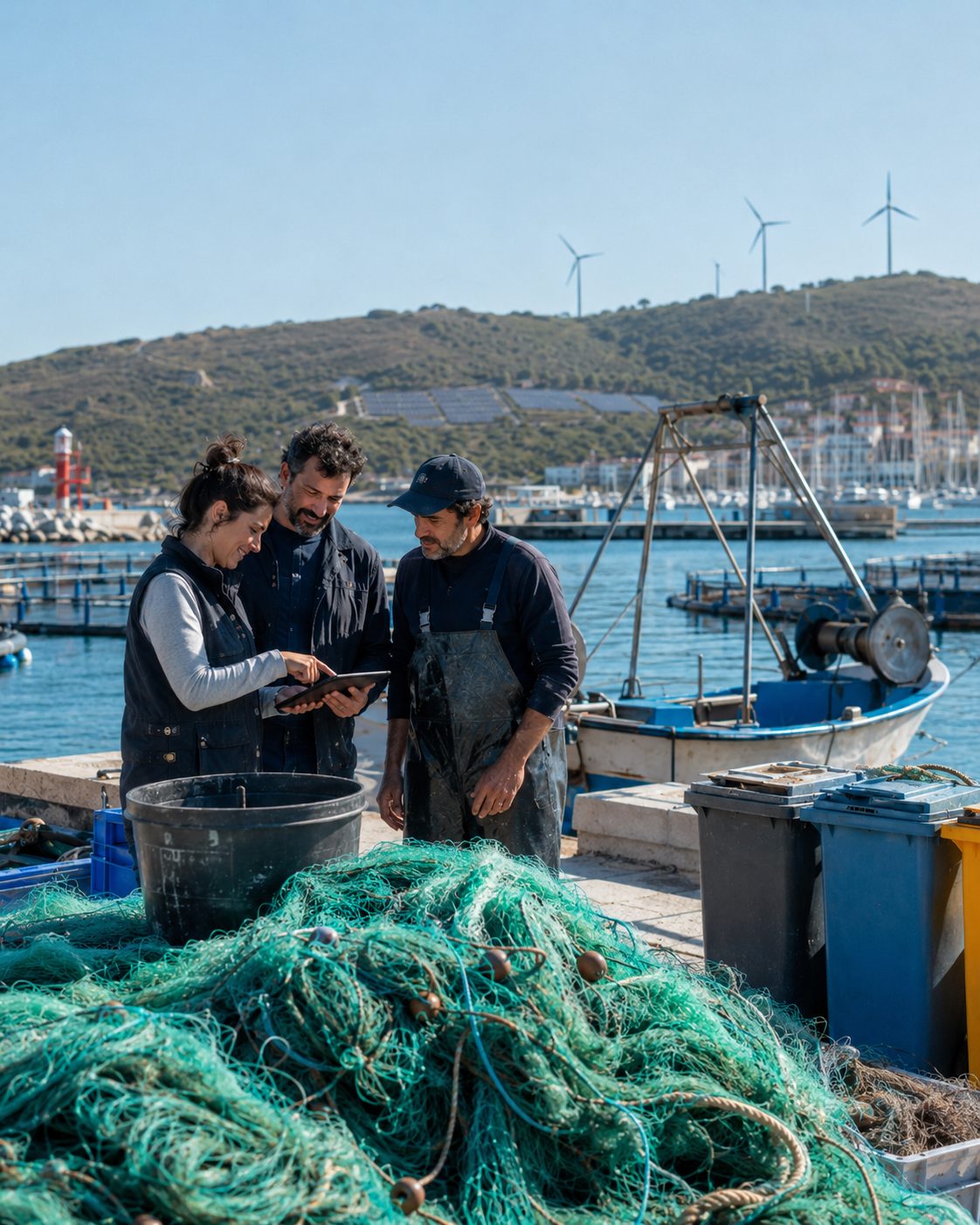
The first step is to identify which ESG issues matter most to the business. A coastal tourism company may focus on energy consumption, waste reduction, water use and respect for local communities. An aquaculture business may prioritise resource management, biodiversity protection, animal welfare, traceability and employee safety. A maritime services provider may focus on emissions, compliance, occupational health and transparent operations.
This approach helps SMEs avoid generic ESG actions. Instead, they can focus on areas that are directly connected to their activities and impact.
Environmental Responsibility in Marine and Coastal Contexts
Environmental responsibility is particularly important in the Blue Economy because business activity is closely connected to natural ecosystems. SMEs can begin by monitoring how they use energy, water and materials. They can reduce waste, improve recycling, prevent pollution and choose suppliers with stronger sustainability practices.
For companies operating near the sea or depending on marine resources, even small improvements can have wider value. Reducing plastic waste, improving fuel efficiency, limiting harmful discharges or supporting responsible sourcing can contribute to healthier coastal and marine environments.
Social Impact and Local Communities
The Blue Economy is strongly connected to people and places. Many SMEs operate in communities where economic activity, employment and environmental quality are closely linked. This makes the social dimension of ESG highly relevant.
SMEs can strengthen their social contribution by supporting fair employment, safe working conditions, skills development and inclusive workplace practices. They can also engage with local stakeholders, respect community needs and contribute to regional resilience.
For example, a coastal business that protects the local environment also protects the long-term attractiveness and wellbeing of the community around it.
Governance as a Practical Foundation
Governance does not need to be complicated. For SMEs, it can begin with clear responsibilities, basic policies, transparent decision-making and reliable internal procedures. Good governance helps ensure that ESG actions are consistent and credible.
This is especially important for SMEs that want to participate in supply chains, access funding opportunities or collaborate in European projects. Clear governance practices can make the business more reliable and better prepared for future sustainability requirements.
From Compliance to Improvement
ESG should not be seen only as a compliance obligation. For SMEs in the Blue Economy, it can also support improvement, innovation and competitiveness. By reviewing their environmental and social impact, businesses can identify cost savings, reduce risks, improve reputation and build stronger relationships with customers and partners.
Training, mentoring and peer learning can support this process. SMEs often benefit from practical examples, simple tools and guidance that reflects their size and sector.
Conclusion
SMEs can play a key role in shaping a more sustainable Blue Economy. They do not need to transform everything at once. By starting with relevant priorities, taking practical actions and building internal knowledge, they can gradually integrate ESG into everyday operations.
ESG Lab supports this journey by helping SMEs understand ESG as a practical framework for responsible growth in marine, coastal and Blue Economy sectors.